I’ve watched enough young businesses struggle to know this: most don’t fail because their idea was bad.
Their product might need tweaks.
Their pricing might be off.
The market might shift.
But those things can be adjusted. What’s harder to fix is who you build the company with in the beginning.
In the early days, I’ve seen founders pour all their energy into features and branding and then rush through job interviews.
I’ve been in rooms where someone said, “We just need bodies right now. We’ll sort it out later.”
That seems like a good idea at the time, but it usually means you don’t have a real growth strategy.
And whether you realize it or not, you’re setting your company up for long-term failure.
Your early hiring decisions shape everything that follows.
Your first few hires don’t just help you execute; they define your standards and create your culture. They shape how problems get solved. They set the tone for what’s acceptable.
Over time, those patterns stack up and refine your culture.
One rushed hire leads to unclear expectations and unclear expectations lead to missed commitments.
Then you’re having conversations you didn’t expect to have and you start fixing problems instead of moving forward.
To put it bluntly, hiring the wrong people keeps your business from growing.
I’ve seen great products struggle because the wrong people were behind them.
Not bad people — just people who weren’t right for that stage of the business.
Startups are different from established companies because roles shift and priorities change fast.
Their structure is razor thin, and some people thrive in that environment. Usually it’s scrappy people.
Others need more stability and direction and when someone is a mismatch for a role, that’s when friction shows up.
If this is your second or third business, you probably know how to deal with those early mismatches because they’re inevitable.
But urgency in a startup is your biggest enemy when it comes to hiring.
To get that business off the ground, hiring turns into a speed decision and then the question changes from “Is this the right person?” to “Can they start next week?”
I’ve felt that pressure myself. When work piles up, relief feels like the priority and waiting feels risky.
But the cost of hiring the wrong people doesn’t show on day one.
It shows up much later in things like rework, low performance, customer complaints, and slipping standards.
Back in the day, I tried to fix this by adding more processes, better interview questions, more steps, more reference checks, more competency tests.
That reduced the obvious mistakes, but it didn’t solve the real issue.
The real issue was clarity.
I wasn’t always clear about what the business needed at that moment. I wrote job descriptions that sounded impressive instead of accurate.
I looked for experience instead of judgment. I focused on credentials instead of how someone actually thinks through problems.
Eventually, I got better, and before I hired anyone, I forced myself to answer one question:
“What must this person achieve or solve in the next six to twelve months, and what metrics need to be in place to measure their progress?”
I built a simple job scorecard around that. If I couldn’t define the outcome clearly, I knew I wasn’t ready to hire.
That one question changed how I interviewed candidates.
I stopped asking broad questions and started asking candidates to walk me through specific problems they had actually solved.
I wanted to understand how they made decisions, what trade-offs they considered, and what they learned when things didn’t go as planned.
I also paid close attention to how they talked about their colleagues, and I listened for three things:
Blame
Ownership, and
Clarity
If I sensed they were blamers, I cut them loose.
When I sensed ownership and clarity, I dug deeper.
This approach felt slow at first and I worried I might be overcomplicating things.
But over time I noticed something different. The people I hired with that level of clarity needed less correction.
They took ownership faster, and they strengthened the team instead of stretching it thin.
The shift was simple.
I stopped hiring for relief and started hiring for trajectory. Instead of Band-Aid hiring, I began shaping the kind of company we were building.
I didn’t eliminate risk because startups are unpredictable and risky.
And the thing is, even great hires can struggle. You just have to be sharp enough to recognize that in the moment.
The goal isn’t perfection. It’s alignment between the stage of the business and the capability of the person stepping into the role.
Looking back, the companies I’ve seen struggle didn’t fail because of weak ideas. They failed because small hiring mistakes that compounded over time.
Another habit I built was delaying hiring until I could describe success in plain language.
Not job titles.
Not vague responsibilities.
Just this:
“Six months from now, what will be better because this person is here and will they raise the bar of everyone around them?”
If I couldn’t answer that clearly, I waited.
But waiting felt risky because work was piling up and the pressure to “just get someone in” was real.
Every time I ignored that pressure and hired with clarity instead of urgency, the business got stronger.
And best of all, there was less drama behind the scenes.
Hiring isn’t about filling seats. It’s about setting direction.
Every person you hire shapes your company’s future — for the better, for the worse, or not at all.
When someone damages the business, it’s usually obvious. You can see it and deal with it.
But the most dangerous hires aren’t the loud failures. They’re the quiet ones. The disengaged. The weeds. The people who do just enough to stay employed but never help you grow.
Those weeds grow deep underground roots in your company. By the time you notice them, they’ve already weakened your business. Pulling them out often requires a painful reset most companies aren’t prepared for.
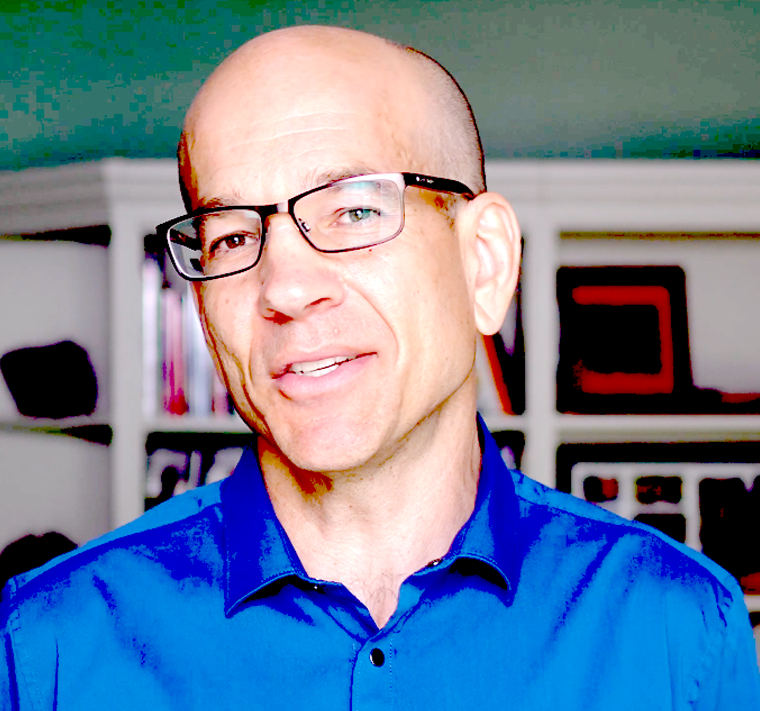
Advises startups and small businesses on how to attract and hire the right people with custom hiring procedures that lead to better and more informed hiring decisions.
Join me on LinkedIn Live for: 5 Killer Hiring Mistakes Small Business Make and How to Avoid Them